Glutamine metabolism serves as a metabolic intersection in prostate cancer ammonium reprogramming, where this conditionally essential amino acid propels tumor proliferation through multifaceted biosynthetic and bioenergetic contributions including its catabolic flux furnishes precursors for de novo purine/pyrimidine biosynthesis and hexosamine pathway activation, drives reductive carboxylation-dependent lipogenesis, sustains redox homeostasis via glutathione synthesis and NADPH regeneration, generates non-essential amino acids, and fuels mitochondrial oxidative phosphorylation through -KG (-ketoglutarate) mediated anaplerosis, collectively establishing glutaminolysis as an indispensable axis supporting prostate cancer malignancy ( MYC functions as a central regulator of glutamine metabolism in prostate cancer by repressing miR-23a/b, thereby relieving the inhibition of mitochondrial GLS and promoting glutaminolysis, particularly in androgen-independent PC-3 cells ( Metabolomic profiling reveals elevated alanine levels in PCa versus normal prostate tissues, potentially reflecting heightened membrane biosynthesis requirements (50, 51)

GHK-Cu + growth hormone secretagogues: Combining with compounds like Ipamorelin or CJC-1295 addresses both regenerative signaling and growth hormone optimization
Melatonin and Circadian Regulation Connections The connection between Epithalon and pineal gland function extends beyond telomerase activation to include potential effects on melatonin production and circadian rhythm regulation
Tuy nhin, mt s phn ng khng mong mun c th xy ra, c bit ngi nhy cm hoc dng sai cch: y hi, kh tiu, chut rt nh bng (thng gp vi dng ung) Pht ban, nga da hoc cc biu hin d ng Co tht ph qun, kh th (c bit khi ht glutathione ngi c tin s hen suyn) Trng hp xut hin cc triu chng bt thng ko di hoc nghim trng, nn ngng s dng v tham kho kin chuyn mn



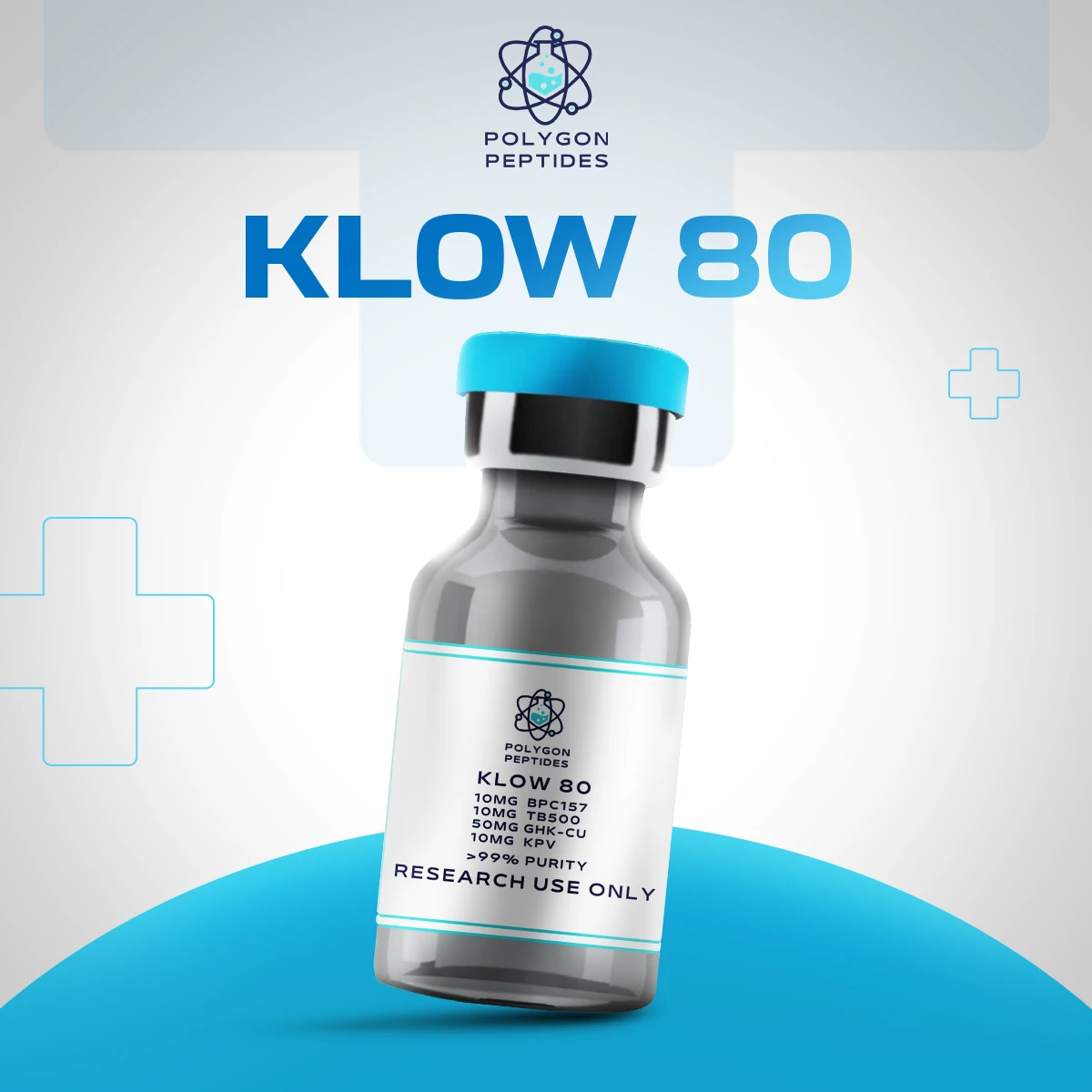









![KLOW [80MG] – Legionary Peptides](https://legionarypeptides.com/wp-content/uploads/2026/02/klow80_peptide.jpg)