In LPS-induced neuroinflammation models, ALC confers neuroprotection by suppressing the TLR4/NFB pathway, restoring autophagy activity, and inhibiting oxidative stress.[13] ALC reduces microglial activation and release of inflammatory mediators by balancing pro-inflammatory and anti-inflammatory cytokines.[14][15] ALC attenuates microglial activation in a dose-dependent manner, with 100 mg/kg/day showing beneficial effects on LPS-induced neuroinflammation in mice, associated with increased brain-derived neurotrophic factor (BDNF) concentration.[14] In repetitive mild traumatic brain injury models, ALC treatment showed protective effects against neurodegeneration and inflammation, reducing mRNA levels of MAPT, TNF, and GFAP in the cortex.[16] Combination Strategies for Neuroinflammation: ALC 1,500-2,000 mg/day + PEA 1,200 mg/day (complementary anti-inflammatory mechanisms) + Omega-3 fatty acids 2-4 g/day (specialized pro-resolving mediator precursors) + Curcumin 500-1,000 mg/day (complementary NF-B modulation) 4

Ngun cung cp: C ng, c mi, ht hng dng, go lt
Current Insights from Available Studies Antioxidant Properties: Some studies indicate that collagen, particularly marine collagen, exhibits strong antioxidant activity, potentially combating free radicals that could damage hair follicles
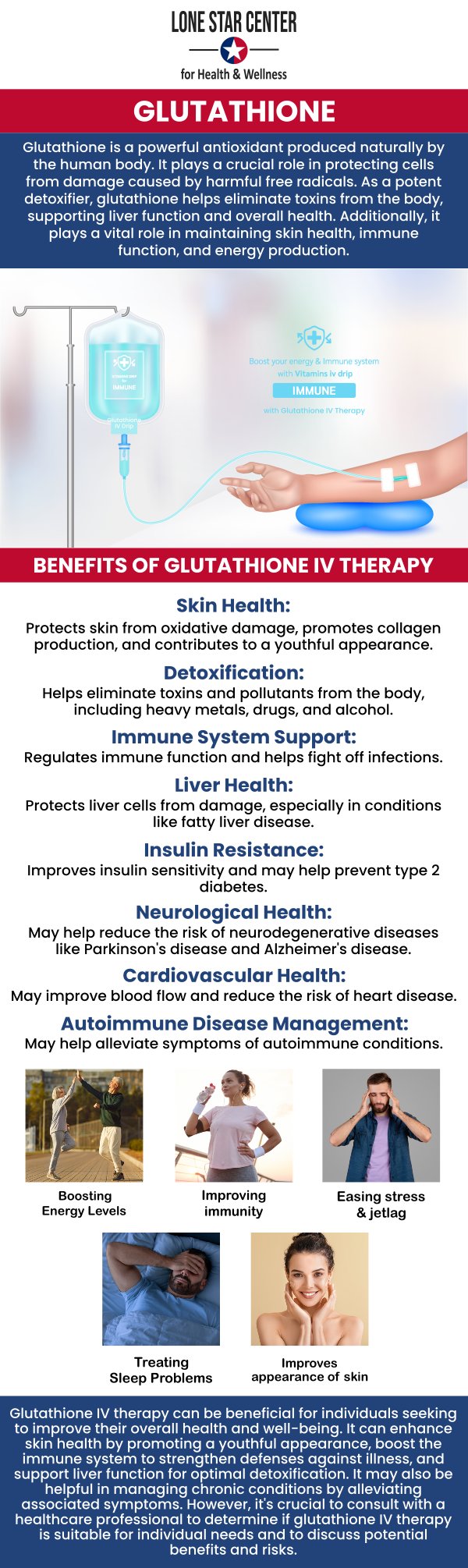
About Your Visit During Treatment Key Ingredient Common Questions How will this Glutathione help me