The HPG axis , sometimes described as hypothalamic-pituitary-gonadal signaling, governs reproductive hormones
Care may include medication education, side-effect monitoring and guidance related to nutrition, physical activity and follow-up
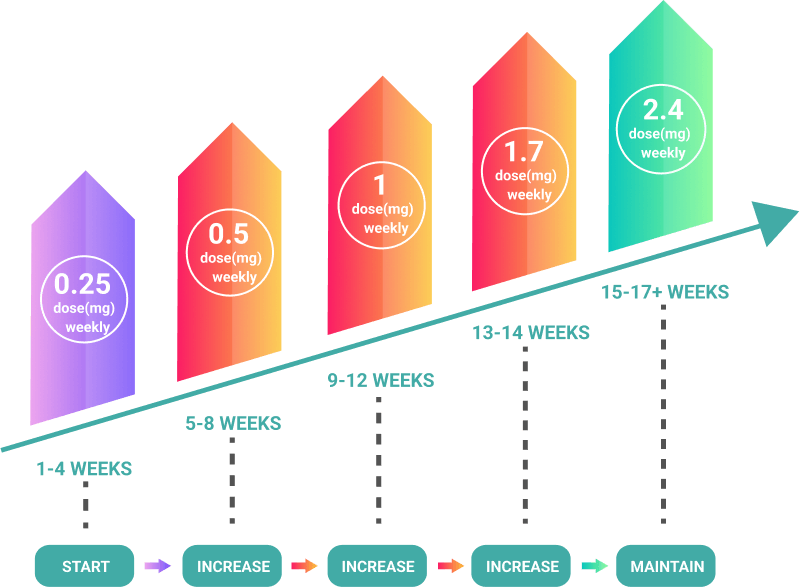
The titration ladder is 0.25 0.5 1.0 1.7 2.4 mg/week, with each step usually held 2-4 weeks
Individuals with the following conditions may be at heightened risk and should be assessed carefully: Pre-existing arrhythmias , including atrial fibrillation or supraventricular tachycardia, given the drug's association with elevated resting heart rate Heart failure , particularly where heart rate control is a key management goal Ischaemic heart disease , where any increase in myocardial oxygen demand could be clinically significant Uncontrolled hypertension , although retatrutide may itself reduce blood pressure over time Patients on rate-modifying medications such as beta-blockers or calcium channel blockers whilst no direct pharmacokinetic drugdrug interactions have been established, the heart rate effects of retatrutide may complicate clinical management and require closer monitoring Patients with a recent acute coronary syndrome, decompensated heart failure, or unstable angina are typically excluded from clinical trials of this class of agent









:format(jpg)/f.elconfidencial.com%2Foriginal%2Ff27%2Fb3a%2F460%2Ff27b3a460e92bcdc8635b6aa1b0eff12.jpg)