Documented Long-Term Side Effects of NSAIDs Regular or long-term NSAID use has been associated with: Damage to the gut lining, increasing intestinal permeability (leaky gut) and immune activation (27,29,31) Reduced absorption of key nutrients, including iron, folate, and vitamin C (28,29) Delayed tissue repair , particularly in connective tissue where prostaglandins are required for healing (32) Kidney stress and electrolyte imbalance , especially during dehydration or endurance activity (30) Increased cardiovascular risk , particularly with higher doses or prolonged exposure (30) These effects help explain why NSAIDs may temporarily reduce pain while progressively impairing healing capacity, increasing systemic inflammation, and slowing long-term recovery
These variations can increase the risk of potential safety concerns, including developing serious adverse effects and health risks like kidney and heart disease
It also ensures you are getting the best-quality supplement, without heavy metals, pesticides, or other toxin contamination, says Malhotra
Cutoff Voltage (V): The point at which the curve ends, indicating the minimum safe voltage (usually 3.0V per cell)
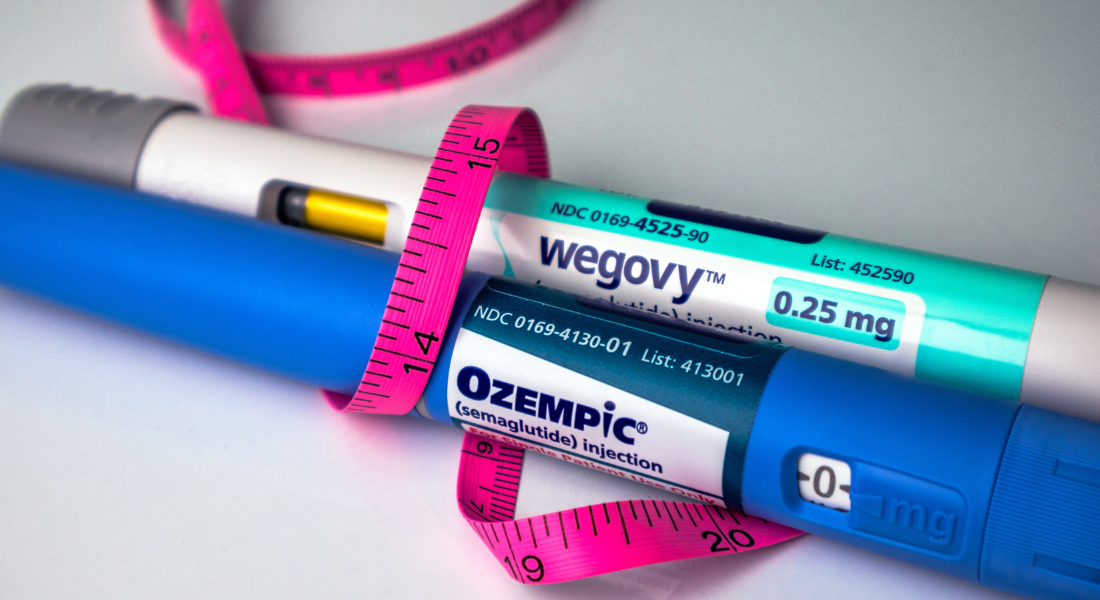











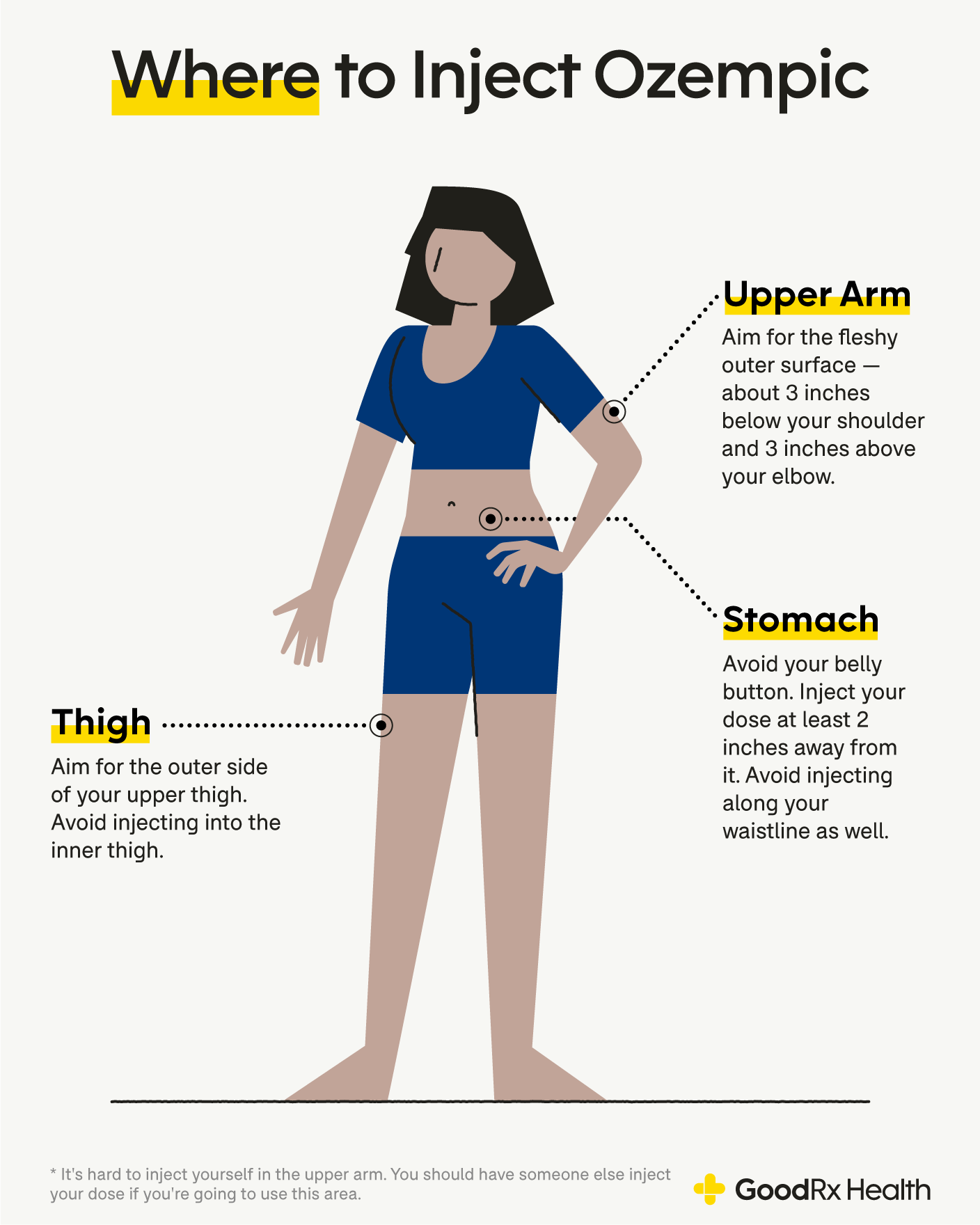


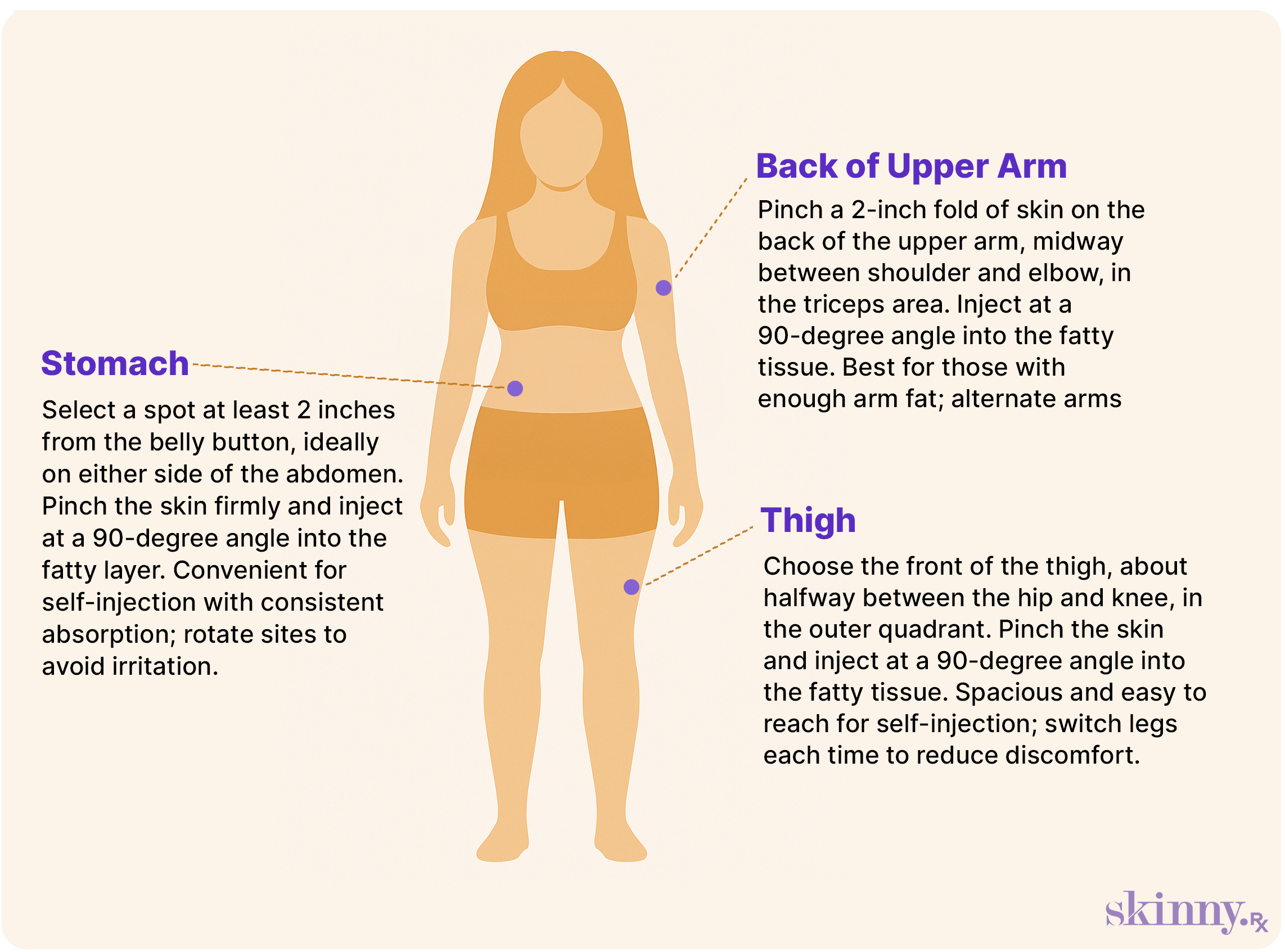
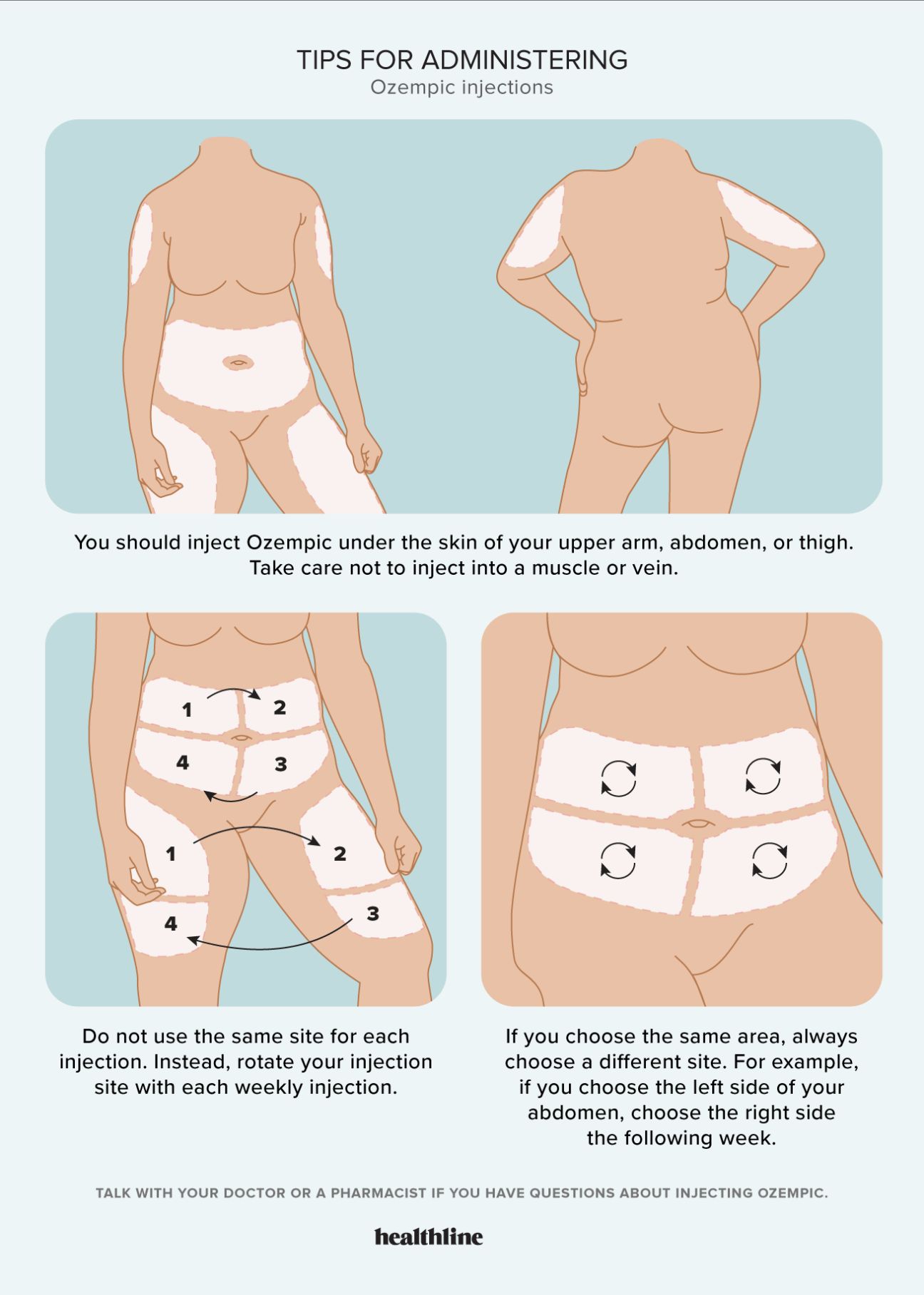
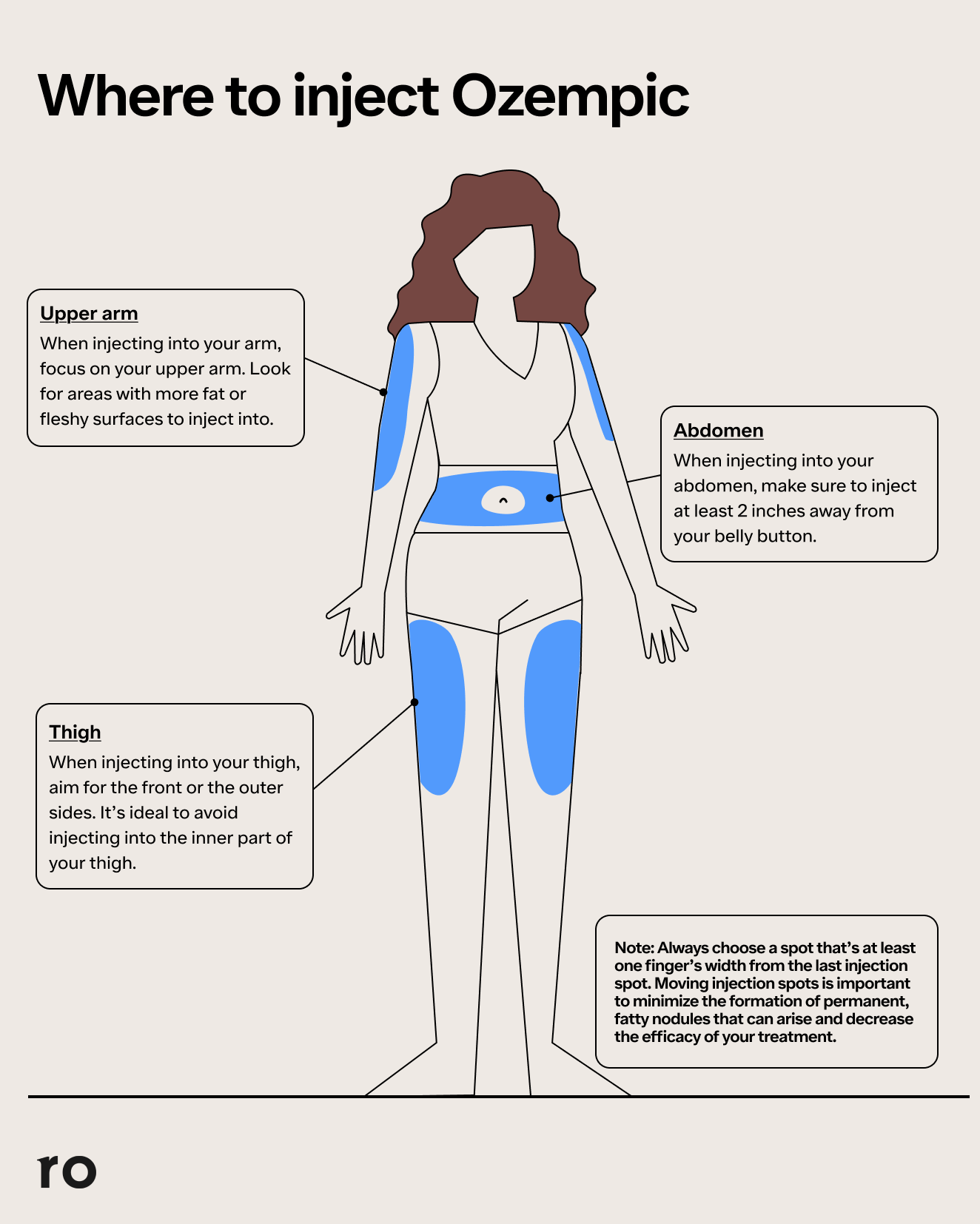
:max_bytes(150000):strip_icc()/VW-Health-Ozembic-Injection-site-V2-f0e98eb1833f48e898d8a19800fb515f.jpg)