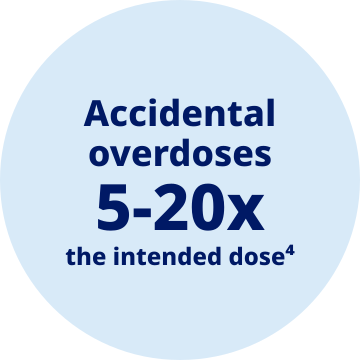
Understanding which medication carries which risk profile allows you to take targeted prevention measures rather than worrying about risks that do not actually apply to your semaglutide protocol
This term applies to the higher affinity and potency of tirzepatide at the GIPR than at the GLP-1R [33]
Hyperkalemia is a common electrolyte disorder among patients with type 2 diabetes, especially in those with concurrent heart failure or decreased kidney function, and who use guideline recommended treatments that increase potassium levels, such as angiotensin converting enzyme inhibitors, angiotensin II receptor blockers, or mineralocorticoid receptor antagonists.10 The occurrence of hyperkalemia frequently leads to dose reduction or discontinuation of these drugs, and this discontinuation is associated with adverse cardiovascular and kidney outcomes.111213 Although newer potassium binders such as patiromer and sodium zirconium cyclosilicate might allow the use of renin-angiotensin system inhibitors,495051 they add to the pill burden, and their benefits on hard clinical outcomes are unknown
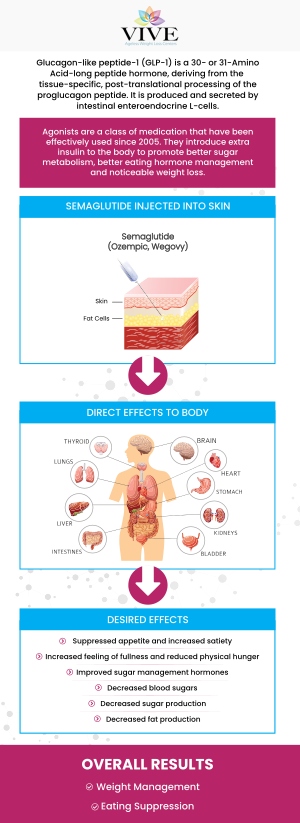
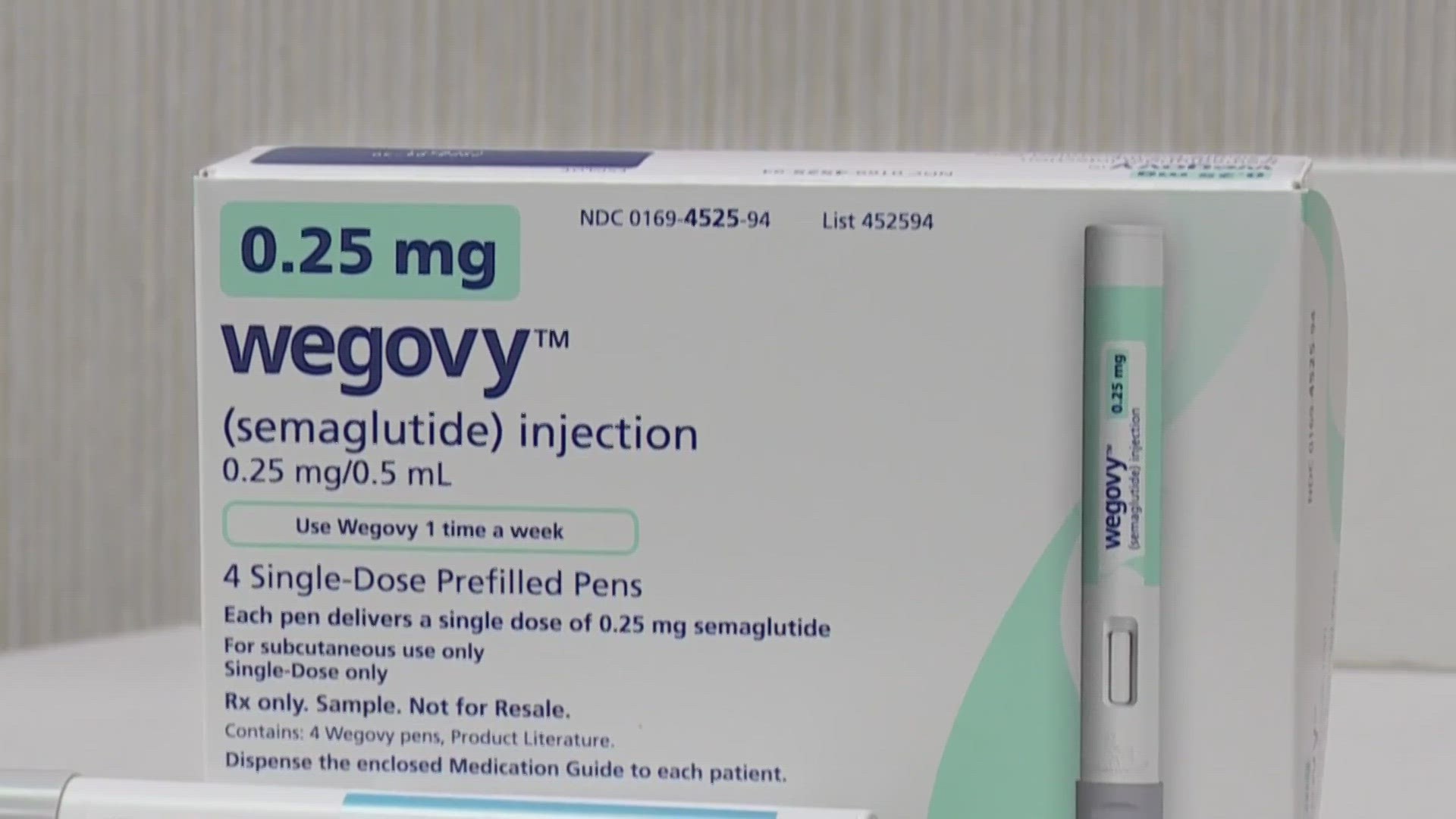
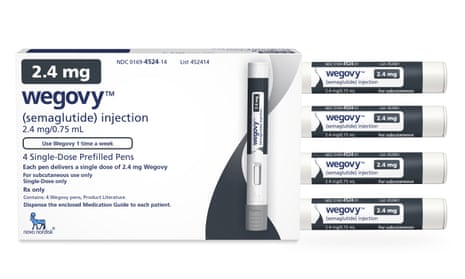
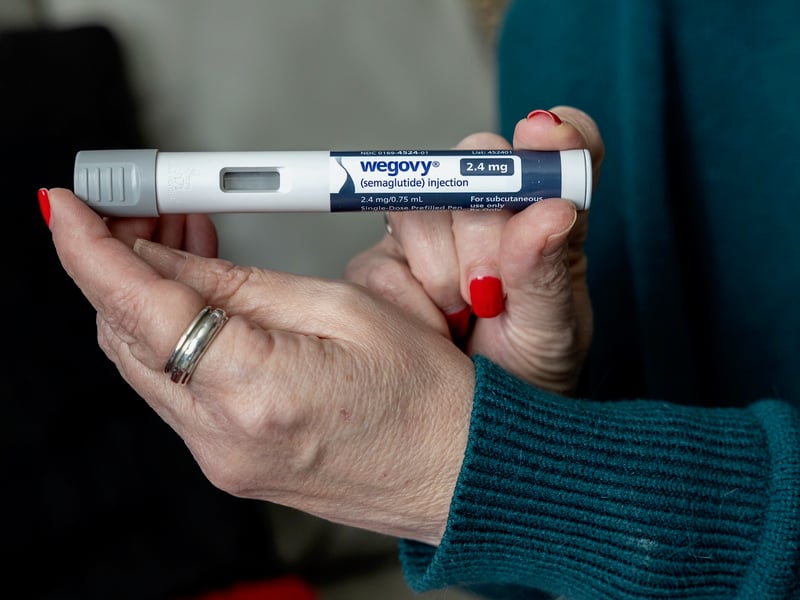
Semaglutide is the active ingredient , but how its formulated, dosed, and approved for use varies between Ozempic, Wegovy, and compounded alternatives